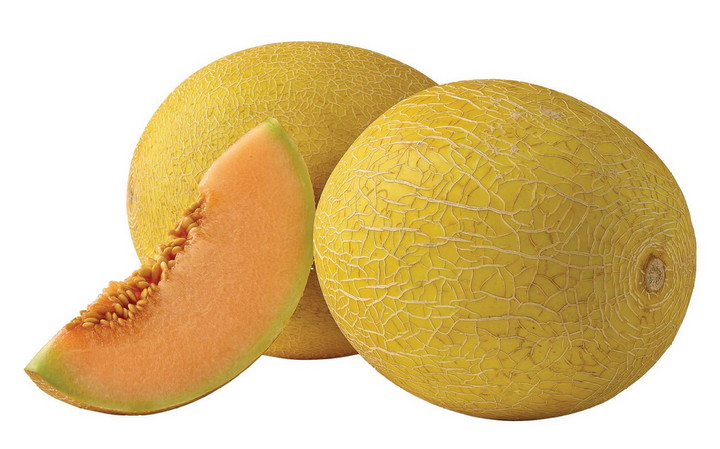
What Is a Cantaloupe?
It’s a juicy, orange summer fruit that’s related to the watermelon and honeydew melon. It also belongs to the same plant family as cucumbers, pumpkins, squashes, and gourds.
The semisweet cantaloupes most familiar to people in the U.S. are a type of muskmelon called Cucumis melo reticulatus. Reticulatus means “net-like” in Latin and refers to the cantaloupe’s rough, webbed outer skin.
Cantaloupe vs. honeydew
Most fruits contain mostly water. But cantaloupe and honeydew are among the juiciest fruits, with water of about 90 percent.
You can easily tell the two fruits apart. Cantaloupes are round and less sweet with a softer flesh than honeydew. Their rind color can range from light green to tan. Honeydews, on the other hand, have a light green rind and flesh and more of a round to slightly oval shape than cantaloupe.
There are also a couple of key nutritional differences between the two melons. Cantaloupe has twice as much vitamin C as honeydew, with about 100% of your daily value (compared with 51% in honeydew) in a 1-cup serving.
Compared with honeydew melons, cantaloupes pack a lot more beta-carotene, an antioxidant whose pigment gives fruits an orange or yellow color. Beta-carotene converts into vitamin A, which supports immunity, skin, bone, and eye health.
Cantaloupe vs. muskmelon
Muskmelons are any variety of melons with netted rinds that belong to the gourd family, including cantaloupes. All cantaloupes are muskmelons, but not all muskmelons are cantaloupes. Cantaloupes are the most popular type of muskmelon. Honeydews are also muskmelons, along with casaba melons and Persian melon.
Cantaloupe Nutrition
Cantaloupes can be a great addition to your diet. One cup of fresh cubes of cantaloupe counts as one serving. It has 53 calories, 6% of your daily serving of fiber, about 1 gram of protein, and zero fat and cholesterol.
Cantaloupes are also low in carbohydrates, with 13 grams per 1-cup serving. When you eat fruits that are low in carbohydrates, you can eat larger amounts and better manage your blood glucose levels.
They pack:
100% of the daily value of vitamin C, a powerful antioxidant that protects your cells from damage
All your daily needs for vitamin A, which helps keep your eyes, skin, bones, and immune system healthy
About 12% of your recommended daily potassium, important for your heart, muscles, and blood pressure

Cantaloupes are also full of other vitamins and minerals, including:
Folate
Calcium
Zinc
Copper
Iron
Vitamin K
Niacin
Choline
Magnesium
Phosphorus
Manganese
Selenium
Cantaloupe Health Benefits
Cantaloupes contain compounds called phytonutrients with anti-inflammatory properties. Long-term inflammation can damage your cells and lead to diabetes, cancer, and other diseases.
Cantaloupes also may:
Hydrate you. Cantaloupes are almost as juicy as watermelons. They’re also filled with electrolytes, which are minerals that balance our body fluids and help us stay hydrated.
Protect against damage from age-related macular degeneration. Cantaloupes have lutein and zeaxanthin, two antioxidants that give fruits and vegetables their yellow and red colors. Combined with vitamin A, these antioxidants play an important role in protecting your vision and eye health. They may also help slow the progression of age-related macular degeneration.
Help prevent asthma. Beta-carotene, found in cantaloupes as vitamin A, may help prevent asthma later in life. Choline, an antioxidant found in cantaloupes, may also help reduce inflammation in people with asthma.
Lower blood pressure. The fiber, potassium, and vitamin C present in cantaloupes are important nutrients for your heart health. Potassium can help lower high blood pressure, which is a risk factor for heart disease. Fiber helps lower the levels of “bad cholesterol” in your body. It can also keep your blood pressure in check.
Reduce your risk of cancer. The fiber in the fruit can help reduce your risk of developing colorectal cancer. The antioxidants in cantaloupes that fight inflammation and reduce oxidative stress can also help reduce your risk of cancer.
Aid digestion. The high amount of liquid content and low carbohydrate count give cantaloupes a low glycemic load score of 4. That means your body digests it slowly, and it won’t make your blood sugar spike. So it’s a great pick for people with diabetes.
Nourish skin and promote hair growth. A cup of cantaloupe has more than 100% of your recommended daily intake of vitamin A. It also has nearly 100% of your recommended daily value of vitamin C. Both of these nutrients also play a major role in maintaining skin health. Vitamin C helps support your natural collagen production, the primary structural protein in hair, cartilage, and skin.
Cantaloupe Health Risks
Cantaloupes are one of the most common fruits and vegetables involved in foodborne illnesses. Their textured, net-like rind can trap bacteria that cause illness.
It’s best to wash the outside of a new cantaloupe right before you cut it open. Wash it under running water with a vegetable brush and rinse your knife after each cut to avoid contamination.
Too much of the vitamins and minerals in cantaloupes can sometimes cause problems:
Potassium. Too much potassium may cause issues if you have kidney disease. That’s because your organs may not be able to get rid of all the extra potassium. This can lead to a serious condition called hyperkalemia.

Fiber. It’s best to limit fiber in your diet if you have cancer or inflammatory disease or have had bowel surgery. Large amounts of fiber from the fruit can be hard on your intestines if you have diarrhea, cramping, or trouble digesting food.
